
Sport Psychologist and Mental Performance Coach: Do You Need to Have Been an Elite Athlete?
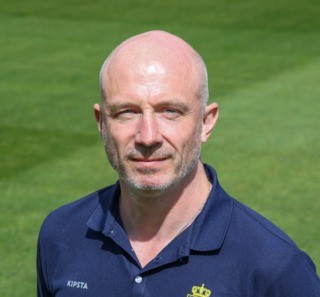
Does personal experience of high-level competition make a difference when supporting athletes? Personal reflections on sport psychology, mental performance training and the importance of trust.
Since 2003, I have worked with athletes as a sport psychologist and mental performance coach. I am also trained as a clinical psychologist. Throughout my professional career, I have supported athletes at different levels and across a wide range of sports, including elite sport.
One question often arises in sport psychology: do you need to have competed at a high level yourself to effectively support competitive athletes?
In my case, I played table tennis at a very high level in junior categories, including international competitions. At around the age of 15, however, an injury kept me away from competition for almost a year and significantly changed the course of my sporting career. I gradually had to accept that I would probably not achieve the sporting goals I had set for myself.
I continued playing table tennis at a good level, including in the Belgian Superdivision, but with different ambitions. I chose to prioritise my psychology studies while keeping sport an important part of my life, rather than making it my professional priority.
A second injury eventually led me to stop competing. I attempted to return several times, but it took me some time to accept that this chapter of my life was coming to an end.
Today, sport remains an essential part of my personal well-being. I exercise around five times a week, mainly through running, fitness training and recreational sport, with a greater emphasis on enjoyment, health and balance.
This journey has given me first-hand experience not only of the demands of competition, but also of the psychological impact of injuries, the frustration of having to reconsider sporting ambitions and the difficulty of letting go of certain goals.
Some athletes place considerable importance on the sporting background of their psychologist or mental performance coach. They may prefer to work with someone who has personally experienced intensive training, sacrifices, injuries, competitive pressure, victories and defeats.
Others believe that professional qualifications, scientific knowledge and practical experience are more important than a practitioner’s personal sporting background.
Personally, I believe that having experienced high-level competition can be an advantage, particularly in mental performance coaching. However, it is neither essential nor sufficient to be an effective professional.
This article presents my personal reflections, shaped by more than twenty years of experience in sport psychology, my training as a clinical psychologist and my own background as a competitive athlete. It is not intended to present a universal truth, but rather a perspective based on my experience.
Trust: A Key Element in Sport Psychology and Mental Performance Coaching
Whether an athlete consults a sport psychologist or a mental performance coach, establishing a relationship of trust is essential.
Athletes need to feel listened to, understood and respected. They also need confidence in the professional’s skills and ability to help them.
This relationship gradually allows athletes to express their difficulties, identify areas for improvement and engage meaningfully in the process.
When meeting a new professional, an athlete may wonder: Does this person really understand my sport? Do they understand the demands of competition? Do they know what intensive training, a serious injury or a decisive match can feel like?
Having personally experienced high-level competition may, in some situations, reassure athletes and facilitate the initial conversations.
However, this does not automatically create a good working relationship. Trust develops over time through attentive listening, appropriate interventions and the feeling of being genuinely understood.
A sport psychologist or mental performance coach who has never competed at an elite level can establish an excellent relationship with the athletes they support.
Sport Psychologist and Mental Performance Coach: What Is the Difference?
I believe it is important to distinguish the work of a psychologist, particularly a clinical psychologist, from that of a mental performance coach.
A sport psychologist is a psychologist who works within a sporting context. Depending on their qualifications and expertise, they may support athletes across different aspects of psychological functioning, including performance and well-being.
When they are also qualified as clinical psychologists, they can address psychological difficulties that extend well beyond sporting performance.
After all, an elite athlete is first and foremost a person who may face many of the same difficulties as anyone else.
Frequent travel, extended periods away from home and demanding training or competition schedules can place pressure on relationships and family life. Partners may need to make professional sacrifices, relocate or adapt significantly to the athlete’s career.
Friendships and family relationships may also change as a result of fame or financial success. Some athletes experience loneliness or struggle to build a social life outside their sport.
Other difficulties may include anxiety, depression, periods of discouragement, problematic substance use or psychological challenges related to injury, declining performance or retirement from sport.
These situations may require clinical psychological support.
A mental performance coach, on the other hand, focuses primarily on developing and training the mental skills associated with sporting performance. These include concentration, the ability to refocus after mistakes, self-confidence, emotional regulation, competition preparation and managing levels of activation.
The aim is not necessarily to give athletes abilities they do not already possess. Very often, athletes already have considerable mental resources. The work involves helping them recognise, develop and use these resources more consistently when needed.
These approaches can complement each other. A clinical psychologist who is also trained in mental performance coaching may work in both areas, adapting their approach to the athlete’s needs.
However, when an athlete experiences psychological difficulties requiring clinical treatment, a mental performance coach who does not have the appropriate qualifications should recognise the limits of their expertise and, when necessary, refer the athlete to a qualified clinical psychologist or another appropriate healthcare professional.
Can Experience of Elite Sport Be an Advantage for a Sport Psychologist?
In clinical psychological work, personal experience of high-level sport may help a practitioner understand certain situations.
A psychologist who has experienced a serious injury, a period of discouragement or the sacrifices associated with competition may sometimes recognise certain challenges more readily.
Such experience may help them understand, without rushing to judgement, why an athlete attaches so much importance to training, wishes to continue despite fatigue or finds it extremely difficult to accept a period away from sport.
This does not mean that every behaviour should be encouraged. Understanding the demands of competitive sport should also help practitioners support athletes in protecting their physical and psychological health.
Nevertheless, clinical expertise remains fundamental. A psychologist who has never competed at an elite level can provide excellent support for depression, anxiety disorders, family difficulties or major life transitions.
In mental performance coaching, my experience leads me to believe that having personally experienced competition can offer an additional perspective, as the work often involves the sensations, emotions and specific situations associated with performance.
However, this is a potential advantage, not a requirement. A mental performance coach who has never been an elite athlete can develop a very detailed understanding of these situations through training, observation and professional experience.
Mental Performance Training: Developing Mental Skills to Perform More Effectively
Mental performance training involves developing and practising psychological skills that help athletes respond more effectively to the demands of their sport, both in training and in competition.
This may include improving concentration, learning to refocus quickly after a mistake or difficult moment, managing emotions during competition, developing self-confidence and adjusting levels of activation to meet the demands of a particular situation.
Some athletes need to learn how to calm themselves when experiencing excessive tension, while others may need to increase their activation to become fully engaged in their performance.
These mental skills can be trained, just like physical, technical or tactical abilities. Mental performance training is therefore not limited to a few exercises before an important competition. Ideally, it forms part of a regular process adapted to the athlete’s needs and the situations they encounter.
Different techniques can be used, including breathing exercises, mental imagery, concentration routines and strategies for recognising and regulating emotions.
One of the main objectives is to help athletes access their mental resources more easily when they need them.
This may help them achieve a physical and psychological state that supports performance: being fully focused, sufficiently activated without excessive tension, feeling free in their movements, taking initiative and finding the right rhythm.
At times, athletes may feel that they are performing naturally, without having to consciously think about every movement. These sensations may sometimes resemble what is known as the flow state, although experiencing flow is not essential for good performance.
However, this balance can be fragile. A poor start to a match, an important mistake, a controversial refereeing decision or a loss of confidence can quickly affect how an athlete feels.
Stress may become disruptive, movements may become less fluid and attention may shift towards the result or the possible consequences of failure.
This is precisely where mental skills developed through training can be useful. Athletes gradually learn to recognise what is happening, regulate their emotions and refocus on the elements that matter for their performance.
Having personally experienced the tension of competition, a decisive match point, a final or a title-deciding match may provide additional insight into these situations.
This personal experience can enrich conversations with athletes and make it easier to understand certain sensations or reactions.
However, it does not guarantee the quality of the support provided. Experiencing these situations does not automatically mean knowing how to help someone else develop their mental skills.
Conversely, a mental performance coach who has never competed at an elite level can develop an excellent understanding of these psychological mechanisms and provide high-quality mental training through education, knowledge and professional experience.
Is It Necessary to Know an Athlete’s Sport Well?
Another interesting question is whether a practitioner needs to know the athlete’s particular sport well.
Personally, I believe that familiarity with a sport can be an advantage, particularly in mental performance coaching. However, just as with personal experience of elite competition, I do not consider it essential from the outset.
There are clearly common psychological elements across sports, particularly in relation to stress management, self-confidence, concentration and emotions. However, each discipline also has its own characteristics, technical and tactical demands, and specific competitive situations.
When athletes describe a difficulty they have encountered during training or competition, I believe it is important to be able to form a reasonably clear picture of the situation.
If a practitioner is unfamiliar with the discipline, this requires some research and effort to understand it. They can learn about the rules and characteristics of the sport, watch competition footage, review videos of the athlete themselves or attend training sessions and matches whenever possible.
Conversations with the athlete are equally important. Athletes themselves are often best placed to explain what they experience, how they feel and the specific difficulties they encounter.
This process allows practitioners to gradually develop a better understanding of the athlete’s sporting environment and adapt their support accordingly.
My own sporting background is mainly in table tennis. When I began working with footballers, I had to develop a better understanding of their sport.
During my seven seasons working notably with Sporting Charleroi and four seasons with Union Saint-Gilloise, I had the opportunity to observe many training sessions and matches, speak with coaches and support numerous players. This gradually helped me develop a deeper understanding of the specific demands of football.
Even today, when I work with an athlete from a sport I know less well, I take the time to learn about the discipline and understand the situations they encounter.
However, the opposite situation also deserves attention. Knowing a sport extremely well is not always an advantage.
When someone has extensive personal experience in a particular discipline, they may sometimes interpret situations through the lens of their own experiences, habits or way of approaching competition.
Yet two athletes practising exactly the same sport may experience very different emotions in an identical situation.
It is therefore important to maintain a degree of professional distance and clearly distinguish one’s own experiences from those of the athlete being supported.
In my view, what matters most is not having perfect knowledge of a sport from the beginning, but being willing to understand its demands while remaining attentive to each athlete’s individual experience.
Personal Experience: An Advantage, but Not a Guarantee
Having experienced elite sport may facilitate certain forms of understanding and sometimes strengthen an athlete’s confidence in the professional supporting them.
However, there is also a risk of projecting one’s own experiences onto the athlete.
Two athletes may experience the same situation very differently. A final may be exciting and motivating for one athlete but extremely anxiety-provoking for another. An injury may also lead to very different reactions depending on each person’s history, personality and resources.
Practitioners must therefore maintain perspective, remain open-minded and avoid treating their own experiences as universal.
This is precisely why professional training, reflection on one’s practice and interpersonal skills remain essential.
Personal sporting experience may enrich the work, but it should never replace listening to the athlete.
Do You Need to Have Been an Elite Athlete to Be a Good Mental Performance Coach?
I do not believe that having competed at an elite level is essential to becoming a good sport psychologist or mental performance coach.
Many professionals who have never personally experienced elite competition provide excellent support to athletes through their qualifications, knowledge, professional experience and interpersonal skills.
My own background simply leads me to believe that personal experience of competitive sport can offer additional value, particularly in mental performance coaching.
Having experienced intensive training, sacrifices, injuries, victories, defeats and the sensations associated with competition may help practitioners understand certain situations and contribute to the development of trust.
Familiarity with the athlete’s sport can also be useful, but this knowledge can be developed through research, observation, conversations with athletes and coaches, and experience in the sporting environment.
Ultimately, it is not a practitioner’s sporting background alone that determines the quality of their work. What matters is their ability to combine knowledge, professional skills, experience and a genuine understanding of the person they are supporting.
These reflections are based on my own experience and my approach to supporting athletes. Other professionals may naturally hold different perspectives.
In my view, personal experience of elite competition can be an additional resource, provided it is used to support the athlete without imposing one’s own experiences on them.
Manuel Dupuis
Sport Psychologist and Mental Performance Coach since 2003
